
Certificate in Nature-based Practice
Gain the skills and confidence you need to take your practice outdoors.
This accredited ITC Level 3 qualification is led by experienced health and education practitioners. It equips you to design and deliver safe, effective, and evidence-based nature-based practice across health, social care, education, and community settings.
Why take this course?
Nature connection is a powerful therapeutic tool for supporting people living with a wide range of mental and physical health conditions. Whether you work one-to-one or with groups, this course will give you the competence and confidence to embed nature into your practice.
“My experience doing this course has really transformed my thinking regarding nature-based practice. I have managed to apply parts of what I learnt within my work environment and have full backing from colleagues regarding trying to utilise what I learnt. I never realised the true impact outdoors can have on an individual and team level and hope to see it being prescribed in the future as a treatment for certain health problems.”
What you will learn
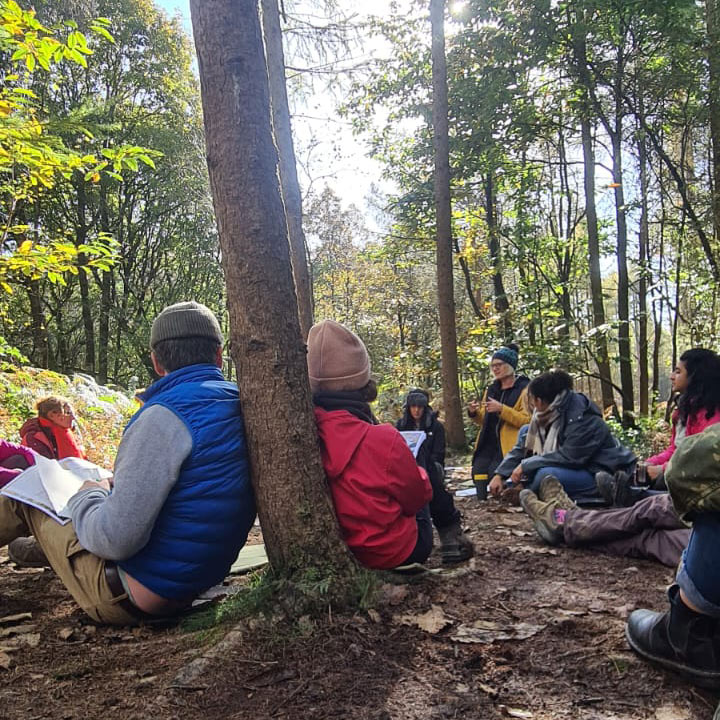
Through a blend of experiential learning, webinars, and online resources, you will:
- Develop a therapeutic nature-based model that supports whole health: mind, body, social and environmental relationships.
- Understand the links between nature connection, neuroscience, resilience, and mental health.
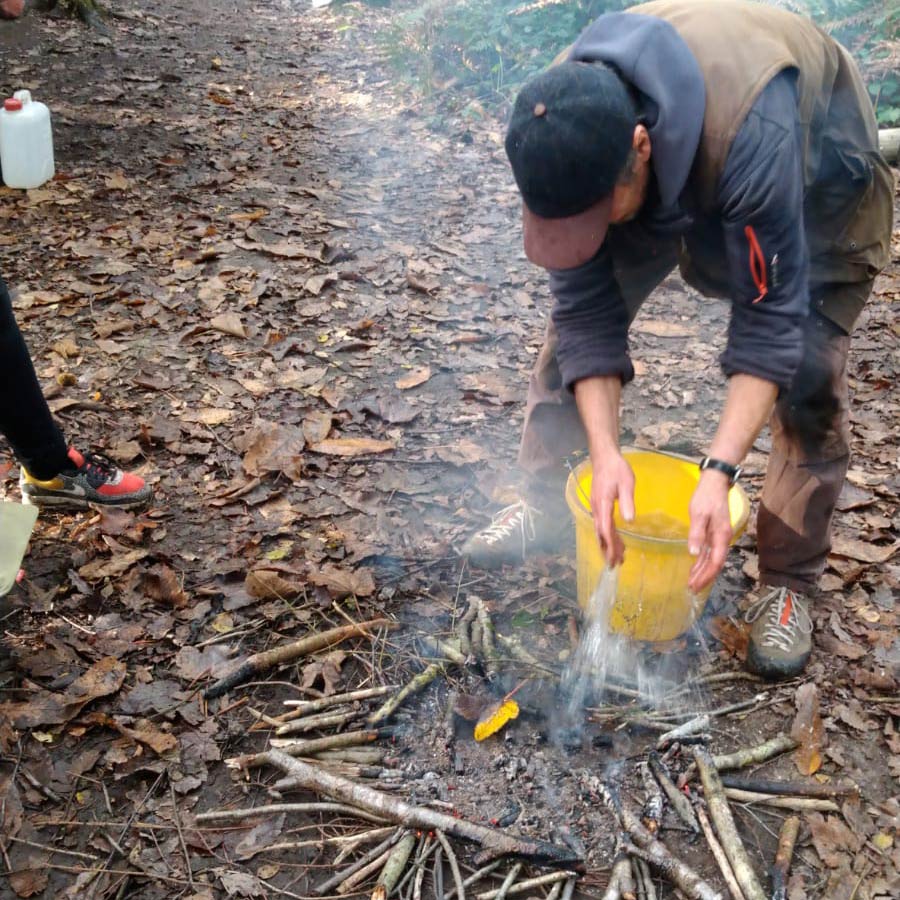
- Gain practical outdoor skills: conservation, bushcraft, sensory exploration, nature-based art, and seasonal activities.
- Adapt activities for a range of green and blue spaces – from school grounds to woodlands, rivers, and coastlines.
- Learn how to be a reflective practitioner, integrating theory with lived experience.
- Build skills in risk awareness and group safety outdoors.
- Explore ways of embodying your own relationship with nature to inspire and support clients.
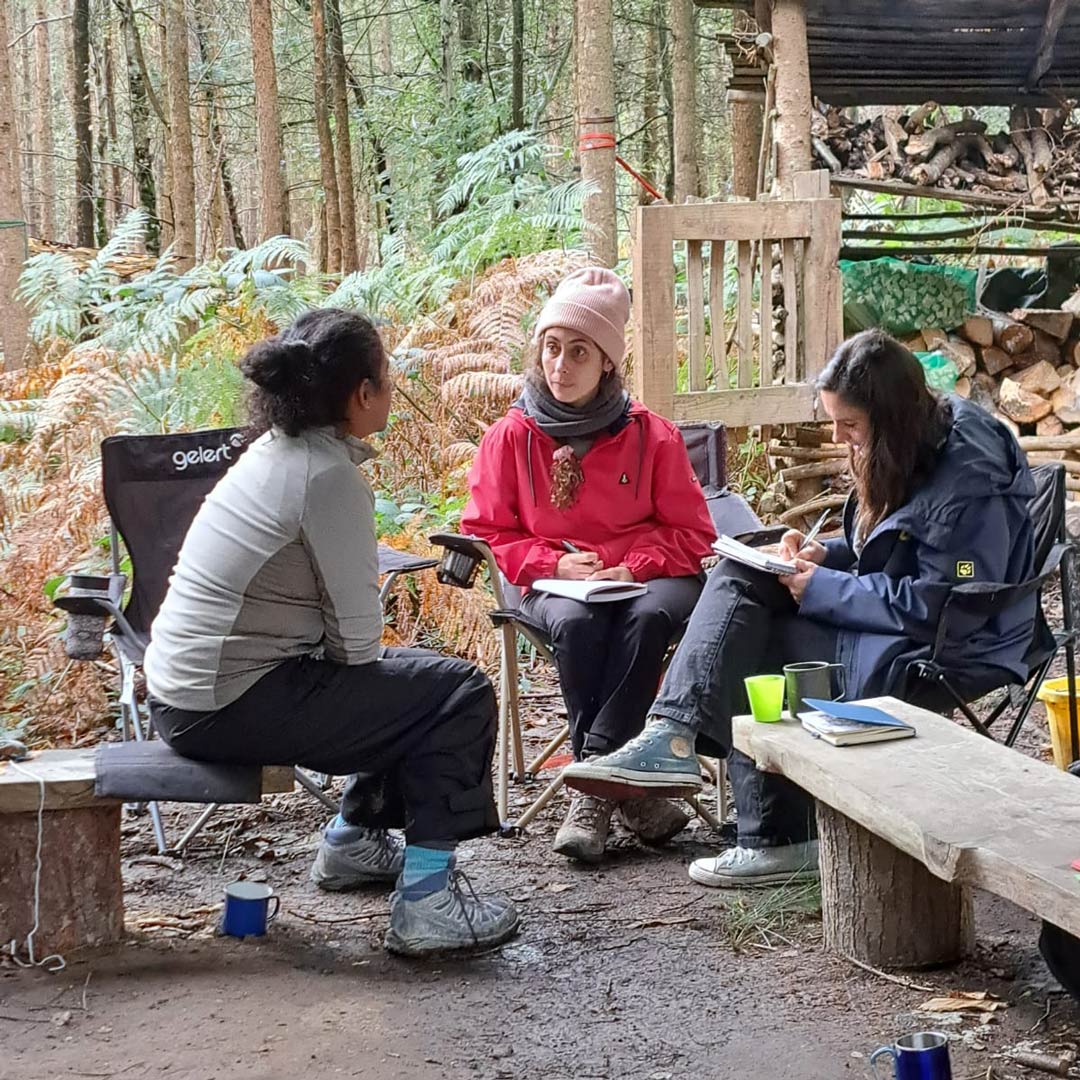
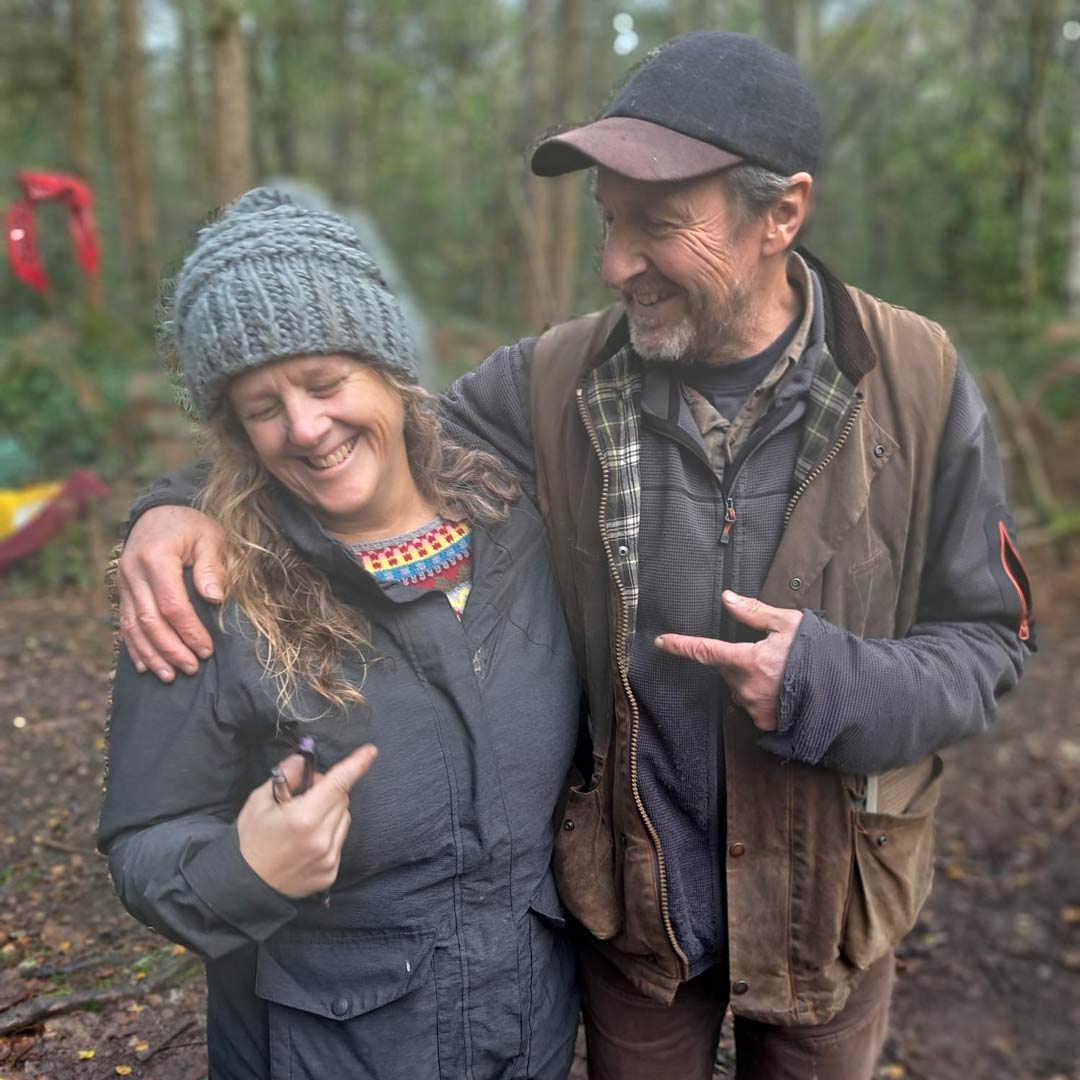
Next available dates for the Certificate in
Nature-based Training
First Aid
All practitioners working remotely outside with clients, must hold the 16 hour Outdoor First Aid Certificate which is valid for 3 years. ELST delivers our Outdoor First Aid Training on our behalf. All the details and booking can be found here.
Who is Nature-based Practice Training for?
June 2027 Course:
Part 1 in the woods: Wednesday 9th, Thursday 10th, Friday 11th June 2027, 9.00am – 5.00pm
Note: All webinars are recorded
Webinar 1: Thursday 24th June 2027, 5:30 – 7:30pm
Webinar 2: Thursday 8th July 2027, 9am – 11am
Webinar 3: Thursday, September 9th 2027, 5:30 PM – 7:30 PM
Webinar 4: Thursday 30th September 2027, 9am to 11am
Plus access to additional pre-recorded resources.
Part 2 in the woods: Friday 8th October 2027, 9.00am – 4.00pm
Cost: £980
You now have the option to get accredited for this course via ITC First for an additional fee of £58. This requires additional coursework submission. For more details email [email protected]. Please add this option as a tick box at checkout or see here.
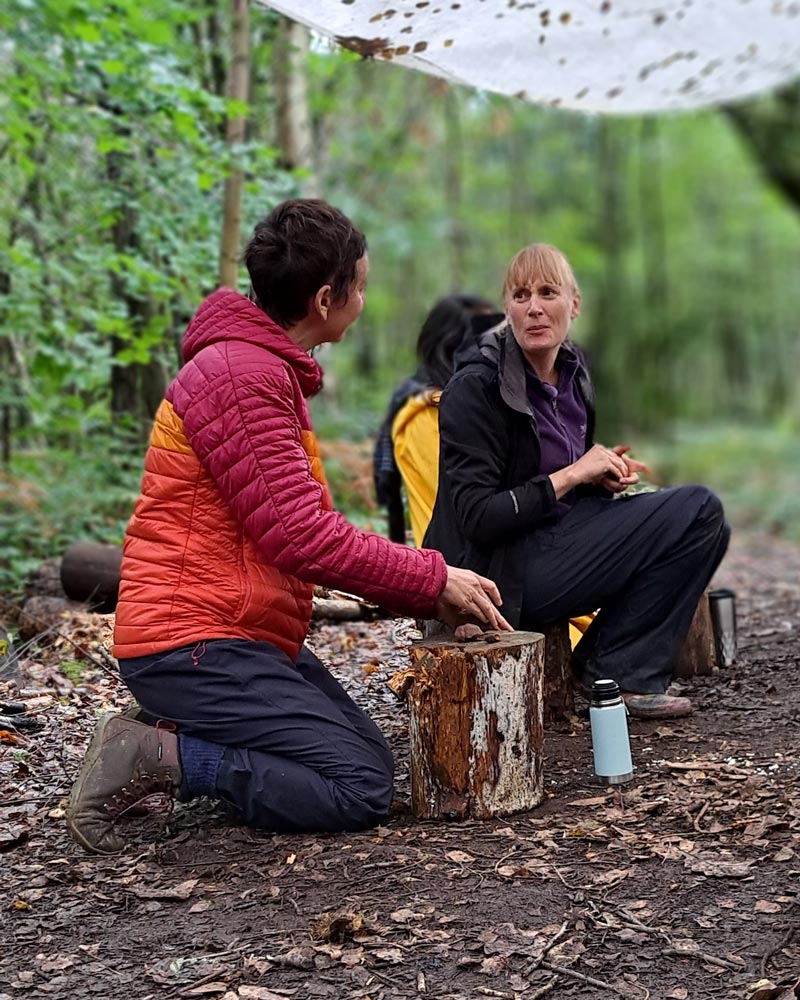
This training is ideal for professionals supporting children, young people, adults, and families, including:
- Psychiatrists, psychologists, psychotherapists
- Health and social care professionals
- Mental health practitioners, youth workers, family support workers
- Teachers, SEN specialists, alternative education providers
- Occupational therapists, art/drama/play therapists, creative practitioners
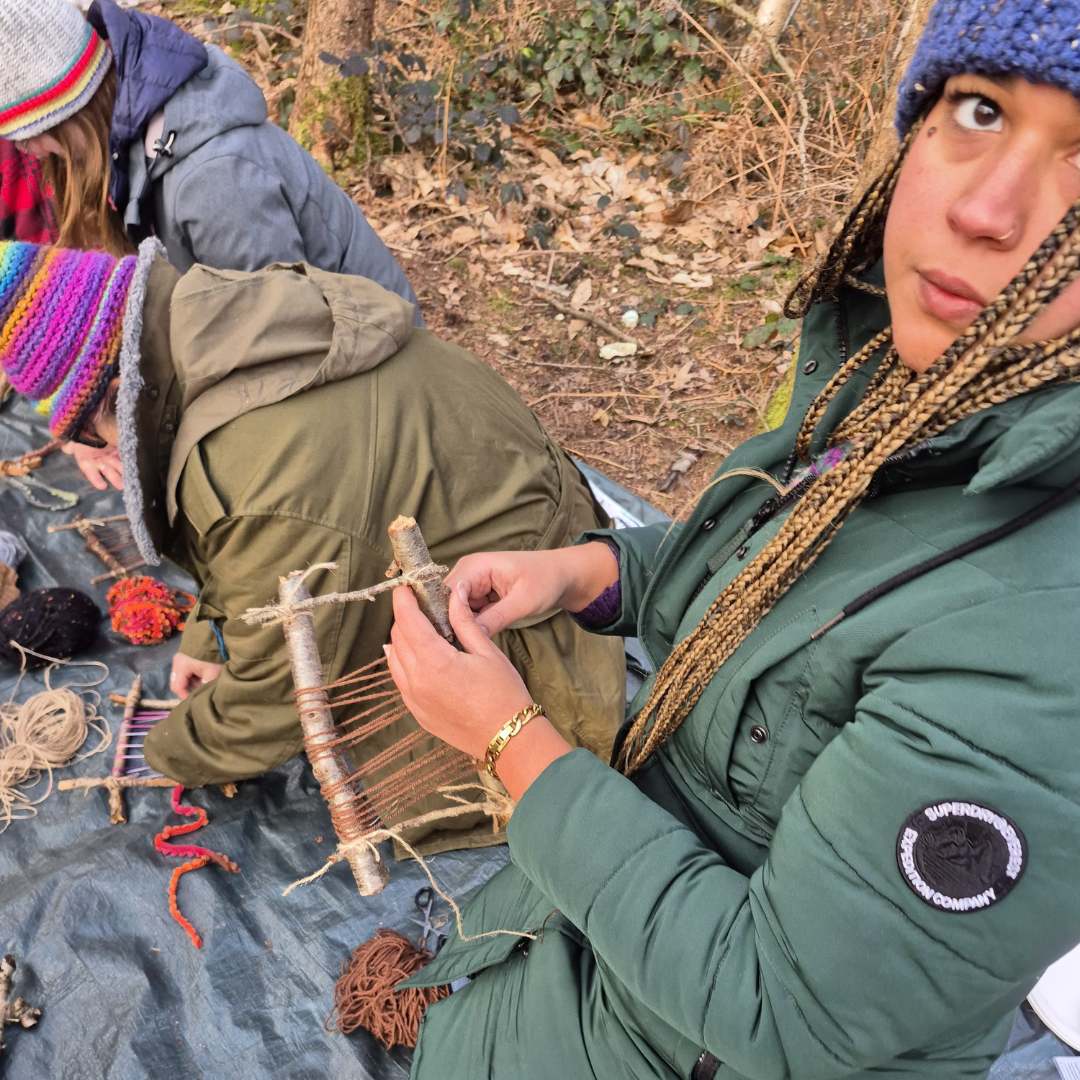
“The perfect combination of both internal and external learning. The opportunity to connect to self and source the value of being outside and the huge benefit to all”
“Nature is our great untapped resource for our a mentally healthy future.”
“Stepping out into nature from our traditional indoor setting, frees my clients from the constraints of eye contact which helps them to relax and facilitates trust and conversations.”
Why it matters
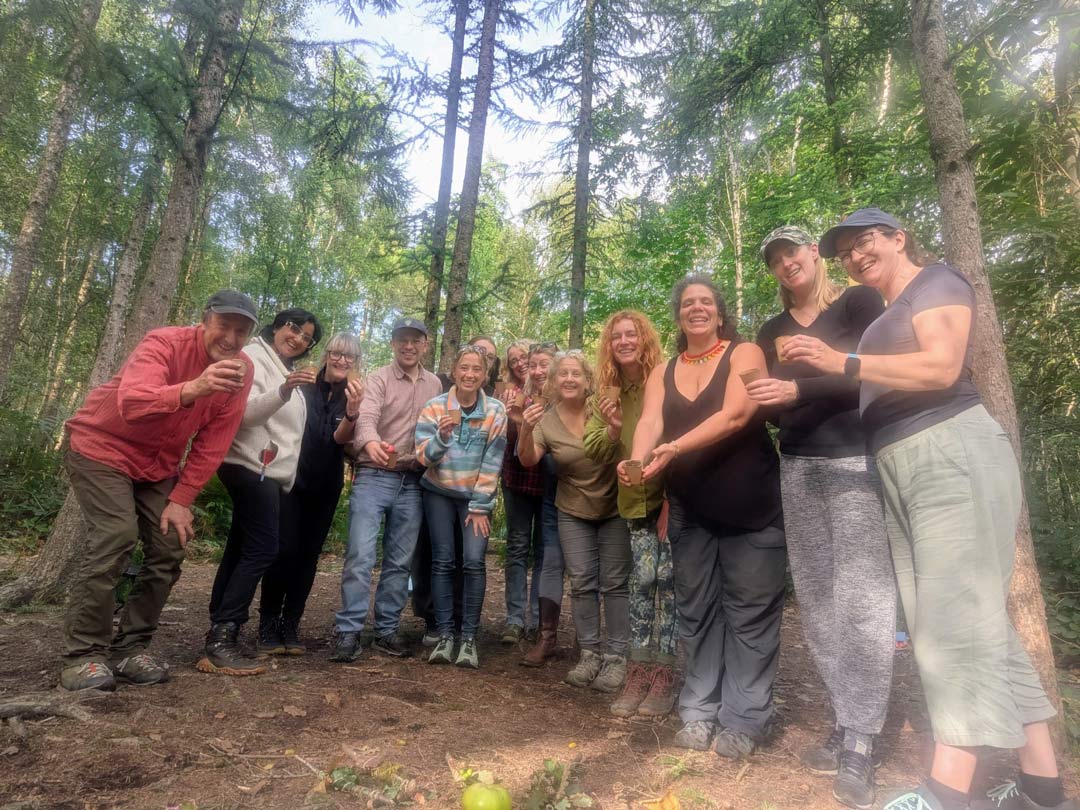
Investing in this course means:
- Building workforce capacity – equipping NHS, social care, and education staff to deliver safe, effective outdoor practice.
- Achieving evidence-based outcomes – independent research (Ford 2025; Hope 2024; Lockwood & Hinds 2018; Jordan & Robb 2016) shows benefits in mental health, resilience, and family wellbeing.
- Aligning with national strategies – supports NHS Green Plans, Local Nature Recovery Strategies, and green social prescribing priorities.
- Reducing pressure on services – cost-effective, preventative interventions that improve wellbeing and reduce social isolation.
- Creating sustainable change – “Train the Trainer” pathways embed long-term practice within services and communities.
Further information
By the end of this nature-based practice training programme, you’ll be able to:
Learning Objectives 1: Place | Locate a suitable place
|
|
Learning Objective 2: People | Your clients
- Understand the equipment required to undertake activity in a woodland/greenspace site
- Understand how to engage staff, groups, parents, teams, volunteer helpers and the wider community
- Be able to develop routines for going outdoors through safety, inspiring games and activities
- Understand how the partnership model supports the values and approach that underpins this model: co-production and participation
- Recognise how ‘the relationship heals’: to self, other, nature
- Be able to employ effective communication, therapeutic skills and strategies
Learning Objective 3: Practice & practical | How to set up and facilitate nature-based programmes
|
|
Learning outcome 4: The Practitioner
This module explores:
|
|
Testimonials

The range of activities was excellent. There was a good balance of theory to practical, and plenty of opportunity to discuss our role as psychiatrists in nature based practice. The individual activities themselves were very enjoyable, and there is nothing like such first hand experience to demonstrate how important this kind of work is for mental wellbeing.
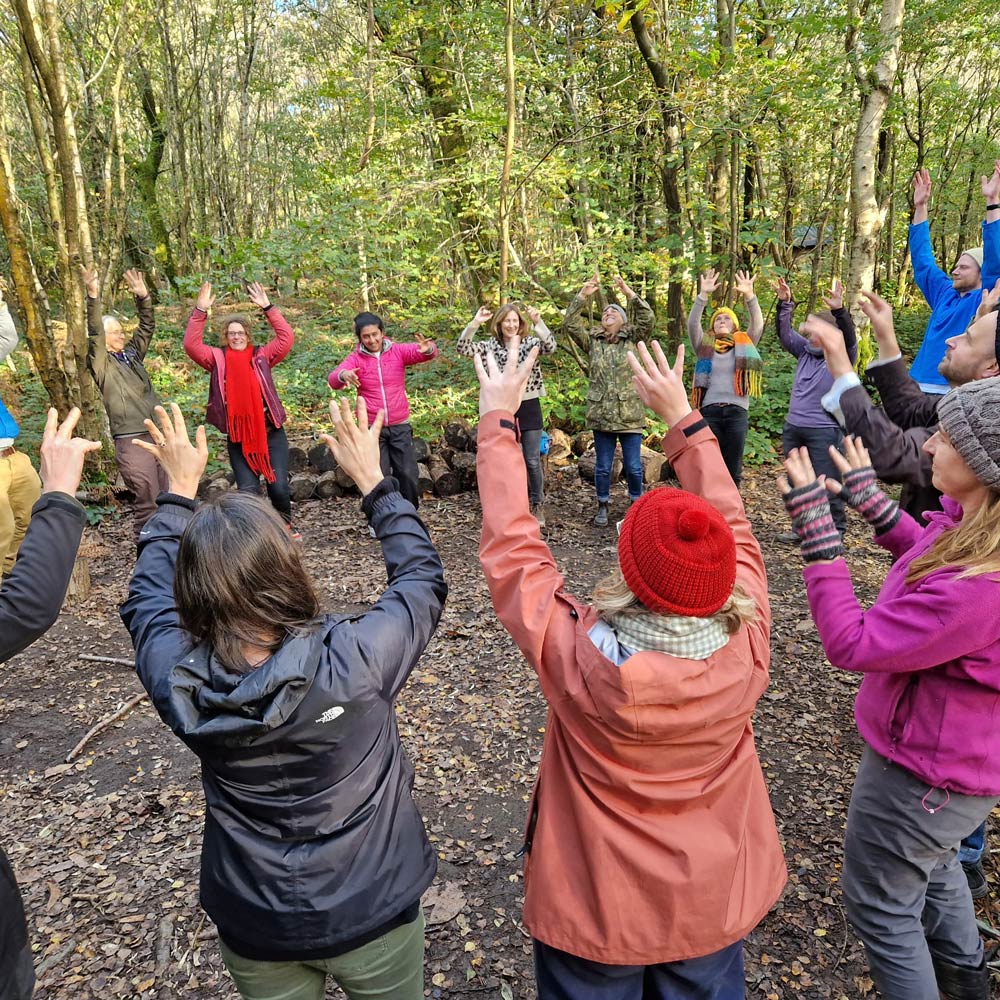
Excellent facilitation, well held, great experiential and skills learning sessions. It was very heartening to be among a group of such inspiring professionals! A great opportunity to really experience and engage with the kinds of nature-based woodland activities that clients might be referred to, in a connected and embodied way. Really enjoyed learning new skills!
The trainers made a really fun and engaging introduction to the concepts of nature based work for mental health. It felt like a truly authentic and heartfelt delivery of ideas that the instructors were so passionate about.
You created a beautifully nourishing, creative, open, non judgemental atmosphere, that felt completely different and more impactful than other learning environments. You helped everyone connect with their bodies and the woods and each other in a very restorative way. You shared deep experience and skills and the wisdom you shared about people, land and mental health offered a fresh and different perspective. Thank you
This course was an amazing demonstration of how to run nature-based workshops, with fantastic sensory and body-based exercises, engendered great sense of nature-connectedness, plenty of opportunity to bond with group members, amazing framework of culture/history/poetry/neuroscience all intertwined.
Accreditation and recognition
- Accredited ITC Level 3 Certificate in Nature-based Practice
- Recognised training centre with the ITC Awarding body
- Delivered by award-winning practitioners with over two decades of experience in nature-based health and education.
Course details
| Number of units | 4 |
| How long will it take? |
|
| ITC Level 3 Core Components: |
|
Bonus Feature
Access to The Outdoor Teacher’s Forest School Activities Online Training Course taught by Circle of Life Rediscovery founder, author, and trainer Marina Robb. This includes:
- 100 videos and resources and step by step instructions
- A bumper pack of additional inspiring activities and ideas to use in your forest school sessions
- Core nature and forest skills underpinned by safe and person-led practice
Next steps
- For professionals: Enrol now to gain the skills and confidence to take your practice outdoors.
- For funders & commissioners: Get in touch to explore how supporting this course can help embed preventative, nature-based approaches in your service or community.
Your Nature-based Practice training team
Course Director & Lead Facilitator: Marina Robb (MS, MSc, PGCE, Author)
Marina is a national expert in nature-based educational and therapeutic interventions. Marina also has extensive experience in the development of the Forest School movement, and is an endorsed trainer for the Forest School Association.
Elsewhere, Marina co-authored the popular, ‘Learning with Nature: A how-to guide to inspiring children through outdoor games and activities’ and ‘The Essential Guide to Forest School and Nature Pedagogy’ (with Jon Cree)
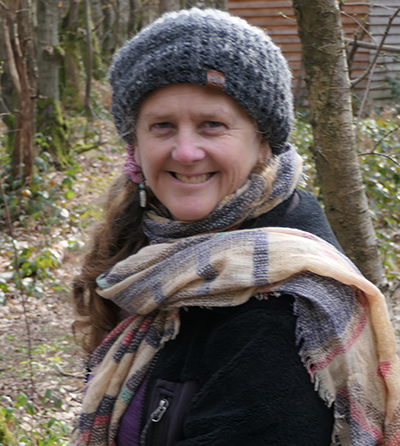
Lead Facilitator: Jon Cree
Jon has over 35 years’ experience reconnecting people of all ages with the natural world. He has trained educators internationally and has been an Earth Education trainer with the Institute for Earth Education since 1992.
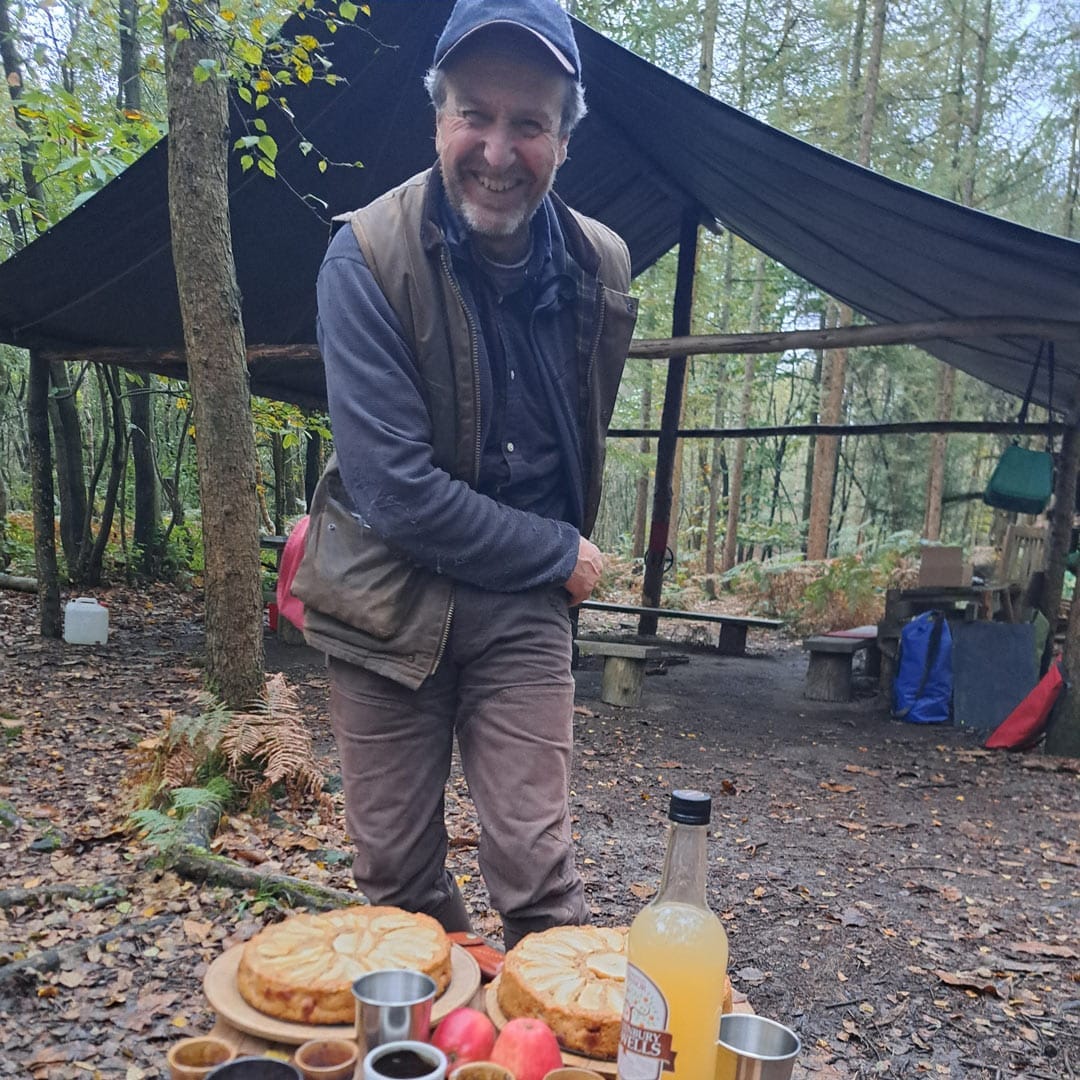
Our Vision and Unique Offer
At Circle of Life Rediscovery, we believe that nature is not an optional extra in health and education—it is a necessity. Just as talking therapies are now an established part of mental health care, our vision is for nature-based practice to stand alongside them: recognised, resourced, and accessible to all.
The evidence is mounting, and our work shows it in practice: nature is a green tonic. It reduces stress, supports recovery, builds resilience, and restores hope. At the same time, when we steward land and bring people into relationship with it, we help ecosystems recover. People heal, and nature heals too.
This is what makes our approach unique:
- Three decades of experience at the crossroads of health, education, ecology and community.
- A proven track record with the NHS, pioneering nature-based interventions with CAMHS, Early Psychosis, Dementia care and more.
- £700,000 + raised since 2004 to make sure access to nature is free and inclusive, whatever people’s background or circumstance.
- Accredited workforce training that equips teachers, clinicians and practitioners with the skills, confidence and safeguarding needed to embed nature in everyday care.
- A systems approach that links people and land, health and climate, care and community.
We don’t just run programmes—we build capacity, shift culture, and create “natural clinics and classrooms” on our doorsteps. Our work is co-designed with communities, grounded in professional ethics, and aligned with national strategies from the NHS Green Plan to Local Nature Recovery.
Find out more about our green interventions work.
Why Get Certified?
The industrial model of development has taken a heavy toll on both ecosystems and human wellbeing. Rising levels of stress, anxiety and disconnection show the urgent need for new approaches. COVID made this clearer than ever: access to nature is not a luxury, but a necessity for health.
Nature-based training offers a powerful response. It is both a preventative and an early intervention model, equipping practitioners to safely and confidently take their work outdoors in partnership with individuals and groups.
Our Certificate in Nature-Based Practice weaves together:
- Insights from neuroscience and somatic practice on how nature regulates and restores the nervous system.
- A systemic, trauma-sensitive approach that prioritises trust, safety and inclusion.
- Practical frameworks to minimise risks while unlocking the wide-ranging benefits of working outdoors.
Getting certified is more than gaining new skills—it is joining a growing movement to reimagine care. It validates your practice, gives you professional confidence, and connects you to a community of peers leading to change in health, education and social care.
Nature-based practice is emerging as the next frontier of mental health and wellbeing support. Certification ensures you are recognised as part of that shift—ready to deliver safe, evidence-based, and transformative work.
Why choose Circle of Life Rediscovery?
Because we are ready, the land is ready, and the time is now. We have the evidence, the partnerships, and the pathways in place. What is needed is investment and collaboration to scale what works.
Together, we can create a future where every child, family and patient benefits from nature as part of their care; where nature-based practice is not a niche intervention but a recognised pillar of health and education; and where healing people and healing the land are seen as one and the same.
Circle of Life Rediscovery CIC offers not just training or projects, but a movement for health justice, ecological reciprocity, and systems change. This is our invitation: to join us in making it real.
Not ready to book but want to stay informed about Nature-based Practice Training?
Join our interested or waiting list for Nature-based Practice Training by entering your details below.